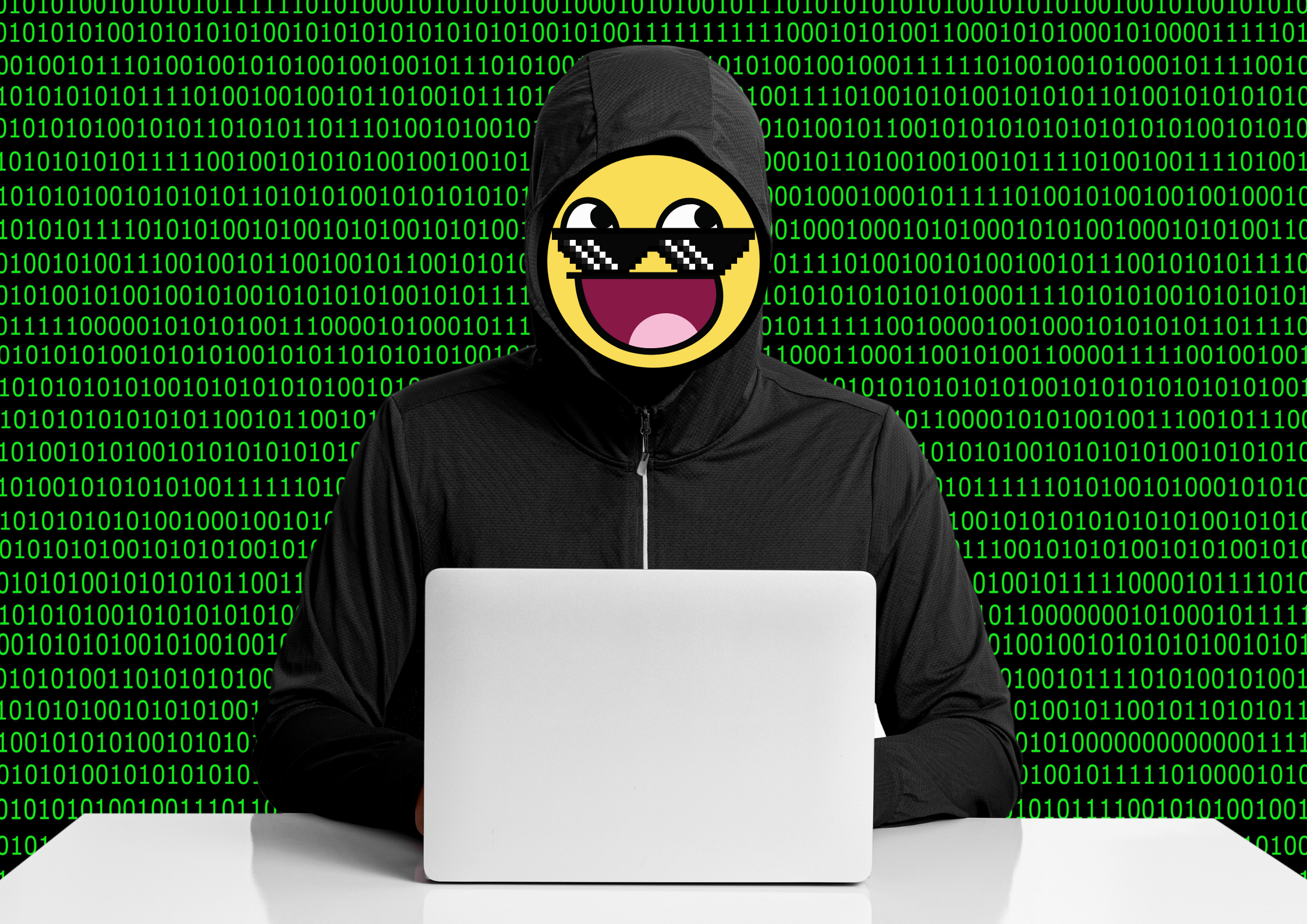
How hackers use emojis as an operational language
Emojis have become a universal language, used daily by millions of people to convey emotions and ideas with little effort. However, what seems innocent to regular users has become a tool in the arsenal of hackers and malicious actors online.
The evolution of communication in the hacker world
In recent years, communication among cybercriminals has shifted from traditional dark web forums to modern platforms like Telegram and Discord. These applications offer fast, encrypted messaging and, in many cases, a high degree of anonymity.
This shift has led to a significant transformation in how hackers collaborate. While discussions used to be structured and based on clear text, today communication is much more dynamic, fragmented, and adapted to a fast pace. In this context, emojis have become an ideal tool.
Emojis – more than just simple symbols
In certain online communities, emojis are not just used for expression but also as a system for encoding information. They can convey:
- intentions (for example, launching an attack)
- types of activities (fraud, malware, data selling)
- the status of an operation (success, failure, in progress)
- the type of target (using country flags).
A simple symbol can replace entire phrases, reducing communication time and increasing the efficiency of collaboration among group members.
How emojis help avoid detection
One of the most important advantages of using emojis is their ability to evade traditional monitoring systems. Most security solutions rely on keyword detection. Replacing these with visual symbols makes messages much harder to identify.
For example, instead of writing “stolen card,” a hacker can use an emoji representing a card. For a human, the meaning may be clear in context, but for a text-based algorithm, the message may seem harmless.
This technique is not new. Regular users have employed similar methods to bypass content filters on social networks. The difference is that, for hackers, the intent is much more dangerous.
Emojis as an operational language
In some cases, emojis are not just symbols; they effectively become commands. There are documented examples where groups of hackers have used emojis to control malware programs. For example: a camera may mean capturing a screenshot, an emoji representing fire may indicate data exfiltration, and a representation of a skull may signal the termination of a process.
This approach transforms emojis into a true communication protocol, difficult to detect and extremely efficient.
Ambiguity – a strategic advantage
Another reason emojis are so useful in illegal activities is their ambiguity. The same symbol can have different meanings depending on the context. For example, an emoji representing, literally, a simple key may signal access to compromised accounts.
This ambiguity makes it difficult to correctly interpret messages, both for automated systems and authorities.
Emoji “dialects” and hacker identification
Over time, hacker groups develop their own emoji “dialects,” specific combinations and patterns that define their communication style. These can become valuable clues for cybersecurity experts.
Even if hackers change their identity or infrastructure, their behavior, including how they use emoji, can remain constant. Thus, analyzing these patterns can help identify and track them.
What it means for cybersecurity
The use of emoji by hackers reflects the dynamics of cybercrime. Malicious actors are becoming increasingly organized, efficient and adaptable to new technologies. For security specialists, this means that traditional methods of online detection are no longer enough. Contextual analysis and monitoring of context, not just content, are needed.
As this phenomenon continues to grow, it is essential that both companies and regular internet users are informed and aware of the risks. In a world where “a picture is worth a thousand words”, even a simple emoji can mean more than it seems.
Source: technewsworld.com