What is an AI PC and why performance isn’t enough
Technology is evolving rapidly, and the term AI PC – meaning a personal computer capable of running artificial intelligence applications locally – is increasingly found in public discourse and in hardware product specifications. Global markets anticipate significant growth in these devices. It is estimated that by 2025, up to 31% of all PCs shipped worldwide will be AI PCs, and this share will continue to grow in the coming years.
However, as the industry increasingly promotes AI as a selling point, it becomes clearer that performance is no longer the only condition for a successful AI PC. In reality, for end users and companies, how a device operates and how secure it is during daily use matters more.
From hype to reality: what should an AI PC offer?
1. Performance and Resources Beyond Benchmarks
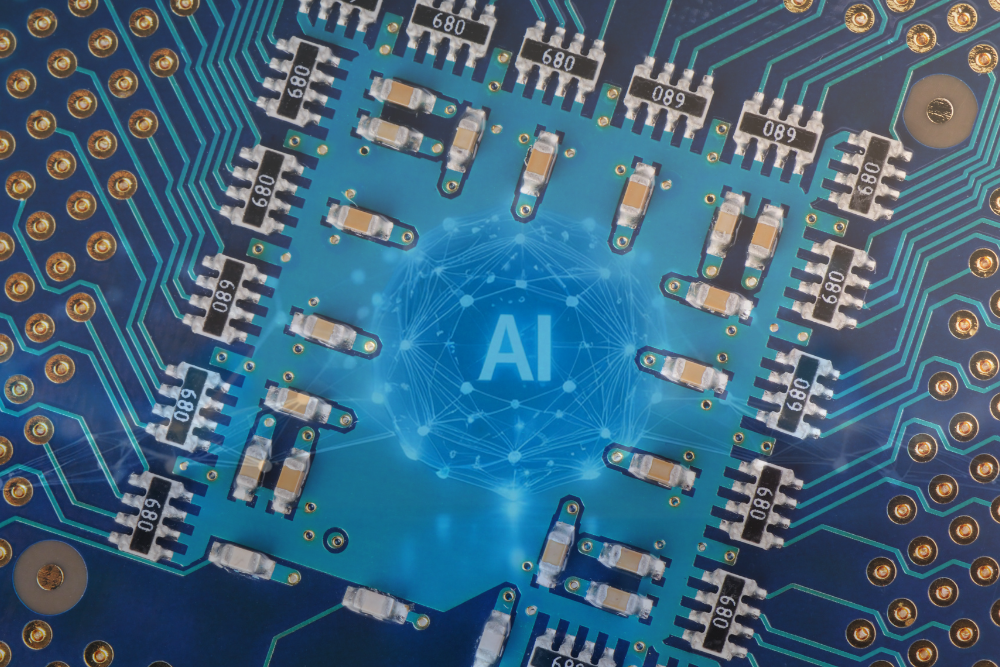
An AI PC does not just mean high numbers in benchmarks. Local artificial intelligence involves performing complex operations, such as natural language processing or data analysis, without relying on the cloud. This implies specialized hardware such as neural processing units (NPU) that can provide tens of TOPS (trillions of operations per second).
But raw performance is not enough if the accelerated resources are not managed efficiently. A PC may have powerful NPU or GPU units, but without effective integration with the CPU and operating system, AI tasks can negatively affect the overall user experience.
2. Integrated Security: More Than a Necessity
On an AI PC, sensitive data, local models, and AI processing results no longer reside exclusively in the cloud. Consequently, this exposes new vulnerabilities if the system is not designed with user security as a starting point.
AI models and the data they use can become attractive targets for attackers: either to extract information or to manipulate the model in such ways that the generated responses or decisions are compromised.
To address these risks, an AI PC must include advanced protection mechanisms:
- Pluton or TPM 2.0 for hardware-level platform security, protecting the encryption key and sensitive data.
- Intel Threat Detection Technology (TDT) and process behavior monitoring solutions to detect malicious activities.
- Secure virtualization and isolation of AI tasks to prevent unauthorized access to memory or local models.
3. Power and Performance: A Critical Balance
Another essential element is power management. AI workloads are much more intensive than traditional ones, especially when it comes to local processing.
An efficient platform design must ensure that:
- CPU, GPU, and NPU resources are optimally utilized,
- power consumption does not compromise battery life on laptops,
- the system remains responsive in traditional applications even when complex AI processes run in the background.
This is especially important in the enterprise environment, where productivity and security are critical priorities, and laptops or AI PC devices must deliver consistent performance without compromises.
Why AI PCs Matter for the Future of the IT Industry?
For companies, AI PCs represent a way to bring artificial intelligence capabilities directly to the end user without constant reliance on internet connectivity or costly cloud services.
This can impact:
- Employee productivity, by accelerating repetitive or generative tasks,
- Data security, if platforms are designed correctly,
- Scalability of enterprise applications, where AI runs directly on the devices currently in use.
Additionally, as software and tools become AI-centered, according to industry forecasts, over 55% of PCs will have integrated AI capabilities by 2026, a clear indication that the hardware and software standards for PCs are changing rapidly.
AI PC is not just a marketing slogan
To be truly useful, a modern computer must:
- provide real performance in AI tasks, not just high numbers in specifications,
- be built on a secure platform, which protects data, models, and workflows,
- efficiently manage energy and performance for daily use without compromises.
Only then can we talk about a generation of computers that not only accelerates AI processing but does so safely, reliably, and efficiently, a fundamental change for the future of personal and professional PCs.